
The spring-summer 2027 fashion shows in Paris have confirmed several trends that go beyond the simple play of seasonal colors. Behind the silhouettes presented on the runways, it is climate, regulatory, and economic constraints that are reshaping this year’s fashion trends.
The context is no longer the same as it was three seasons ago: warmer autumns delay coat purchases, European regulations push for more streamlined collections, and the second-hand market blurs the lines between real sustainability and the rapid circulation of disposable pieces.
Climate and Fashion Calendar: Why Seasons Are Shifting on the Runways
Summers are lengthening, and autumns are warming. This meteorological shift has a direct effect on how collections arrive in stores and in wardrobes. Light materials and transitional layering are gaining ground at the expense of heavy winter pieces, whose selling window is shrinking.
For brands, the risk of unsold inventory on coats and thick pieces is increasing. Paris Fashion Week has shown a marked preference for airy constructions, anti-heatwave harem pants, and layering techniques that allow for several weeks of transition without changing wardrobes. These are not just designer whims: they are industrial responses to a stock problem.
If you follow fashion trends on Soyons Sérieux, you will find this cross-reading between climate and style that is often missing from purely aesthetic guides.
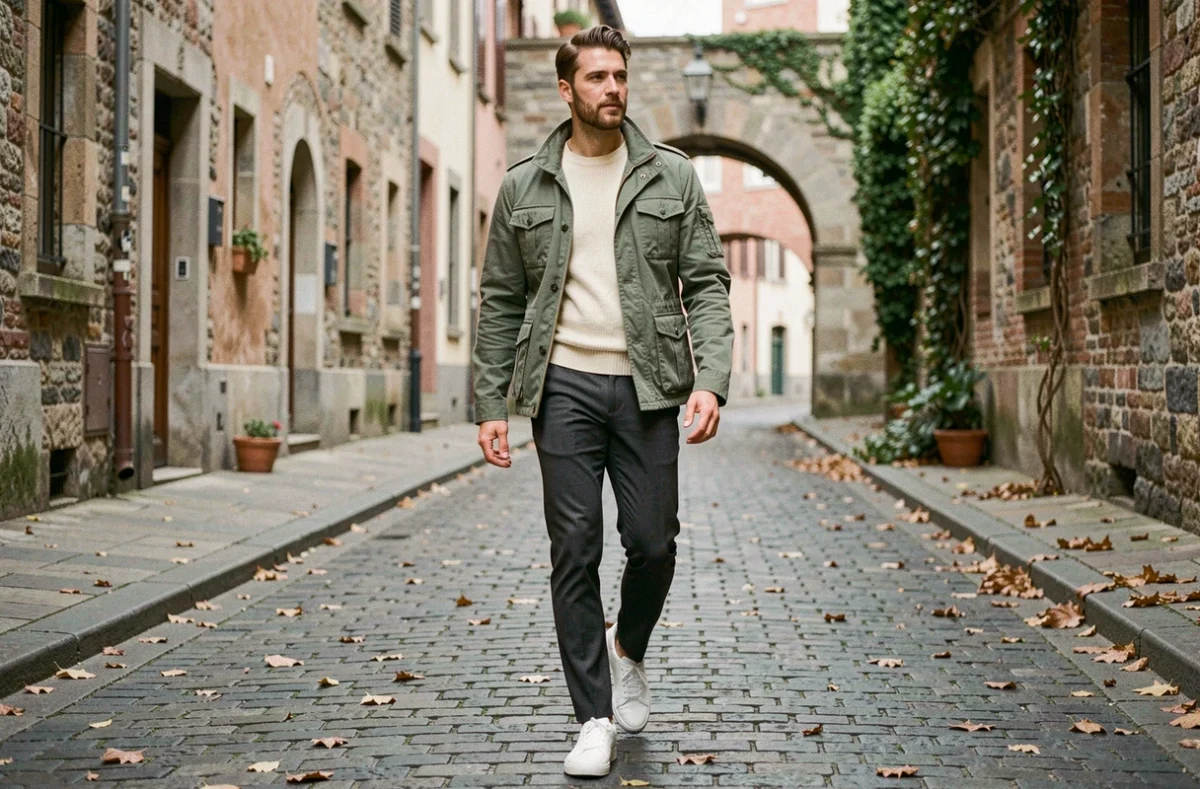
Wide trousers, fluid skirts worn over thin layers, and light jackets replacing classic coats: these stylistic choices reflect an adaptation to reality. The dominant silhouette is not that of a harsh winter, but that of a season hesitating between September and November.
European Regulation and Penalties: Fashion Under Production Constraints
Trends no longer emerge solely from workshops. The regulatory pressure from France and Europe on the textile industry is changing what ends up on the racks. Penalties related to environmental impact favor more streamlined collections, designed to last several seasons rather than being replaced every two months.
The gradual ban on the destruction of unsold goods is pushing brands to better calibrate their volumes. Too broad ranges, without incentives for repair, are penalized. In practice, this means fewer references per season, more versatile cuts, and fabrics chosen for their durability as much as for their aesthetics.
What This Changes in a Wardrobe
Consumers perceive these changes through the availability of pieces. End-of-season clearances include more refurbished and second-hand items from professional stocks. Black, red, and checks remain safe bets on the runways, but a dress or trousers bought this season must work for the next season.
- Favor classic cuts (straight trousers, straight dresses, structured coats) that can last through several autumn-winter seasons without dating.
- Check the quality of seams, closures, and fabric composition before purchasing, including second-hand.
- Limit ultra-trendy pieces to one or two purchases per season to avoid rapid obsolescence of the wardrobe.
Second-Hand and Fashion Trends: The Trap of Apparent Sustainability
Second-hand is everywhere. On resale platforms, in thrift stores, even in the corners of major brands. Buying second-hand has become a reflex for many. But second-hand does not automatically guarantee more sustainable fashion.
Clothing from ultra-fast fashion circulates in these markets after being worn very little. Their manufacturing quality, textile composition, and cut do not improve just because they change owners. Extending the circulation of a poorly designed piece does not solve the problems of overproduction or textile waste.
Intrinsic Durability: The Real Criterion to Watch
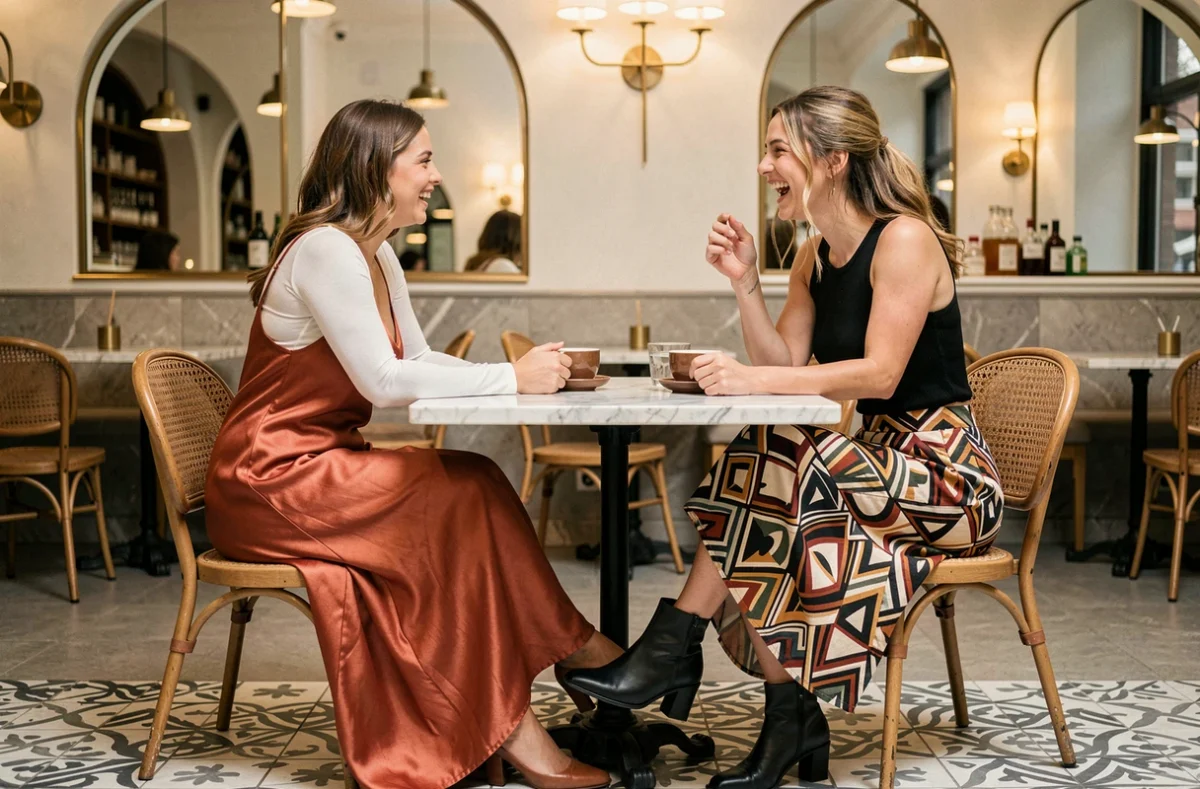
The criterion emerging this year is not the purchase channel (new or second-hand), but the intrinsic durability of the piece: fabric quality, seam strength, closure reliability, and the relevance of the cut over time. A low-quality polyester trouser resold on a platform remains a low-quality polyester trouser.
Field reports diverge on this point. Some professional second-hand sellers rigorously sort by quality of workmanship. Others simply recycle volumes without control. For consumers, vigilance remains the same as in new boutiques.
Autumn-Winter Silhouettes: What the Runways Really Say About Upcoming Style
Paris Fashion Week highlighted specific aesthetic directions. Pastel mixes, usually reserved for spring, are making their way into autumn wardrobes. Latex is replacing leather on some strong pieces. The skirt comes in all forms, from mini to long and split.
However, the trend towards waterproof and technical materials reflects a response to climatic uncertainties rather than just an aesthetic whim. Designers are incorporating water-repellent fabrics into urban silhouettes, blurring the line between city wear and functional clothing.
- Dominant colors on the runways: black as a base, red as an accent, pastels as an unexpected touch for the cold season.
- Rising materials: latex (in place of leather), waterproof fabrics, airy constructions despite the season.
- Key cuts to remember: long skirts, wide trousers, layering of light layers rather than a single coat.
This year’s fashion week was less a showcase of radical newness than a reflection of real constraints. The autumn-winter fashion trends that emerge from it are shaped by climate, regulation, and a rapidly changing second-hand market. Unique style is no longer built solely with a good eye, but with careful reading of what is happening behind the scenes.