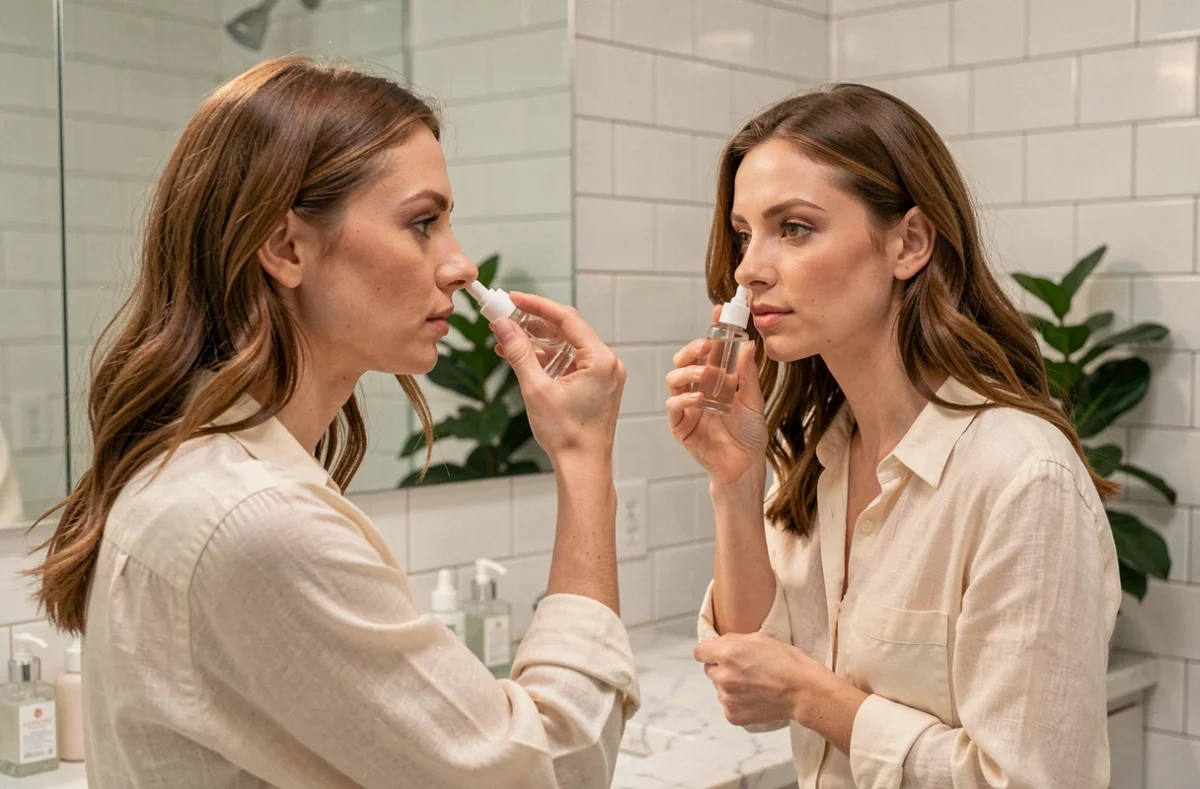
We can layer on serums and creams, but often it’s one poorly chosen step in the morning that leaves the complexion looking dull for the rest of the day. Everyday beauty depends less on the number of products you use than on the order you apply them, the active ingredients you choose, and a few habits your skin will reward you for within a few weeks.
Morning beauty routine: the order of your steps makes all the difference
Applying serum to skin still coated with overnight residue is like varnishing unfinished wood. Even a quick face wash sets the stage for everything that follows to absorb properly.
A gentle cleanser (a sulfate-free gel or micellar water that you rinse off) is enough in the morning. Save a more thorough cleanse for the evening, when your skin has accumulated pollution and sebum. Applying a hydrating serum while your skin is still slightly damp improves the absorption of active ingredients compared with applying it to dry skin.
The step most often skipped is sun protection. The French Society of Dermatology recommends daily protection against UVA and UVB rays, not just at the beach. Some fragrances and essential oils increase sensitivity to the sun, making this step even more useful when you use natural skincare products.
To explore beauty according to 2moiselles Happy Lookeuses, you’ll find the same principle of keeping your morning routine simple.

Natural skincare products: what the label doesn’t always tell you
Choosing a product labeled “natural” doesn’t mean you can skip reading the INCI list on the back of the bottle. Natural doesn’t automatically mean better tolerated. European regulations require certain fragrance substances naturally present in essential oils to be listed above specified thresholds, including those of plant origin.
You can test a product on a small area of your wrist to check for an immediate reaction. This can be helpful, but it doesn’t replace patch testing by a dermatologist or allergist to investigate a contact allergy.
Three things to do before trying a new skincare product
- Check the INCI list: fragrance allergens (linalool, limonene, geraniol) appear at the end of the list when they exceed the regulatory threshold.
- Introduce just one new product at a time and wait one to two weeks before adding another, so you can identify the cause of any reaction.
- Consult a professional if your skin reacts frequently: reactive skin warrants a dermatological assessment rather than yet another change of cream.
This caution also applies to homemade recipes. A lemon or turmeric mask applied before sun exposure can trigger a photosensitive reaction. Save these preparations for the evening and rinse thoroughly.
Daily skin hydration: inside and out
Topical hydration (cream, serum) works on the outer layer of the epidermis. It limits water loss and gives skin an instantly plumper appearance. Internal hydration works over time: drinking water regularly supports the cellular functions that help maintain skin suppleness.
These two approaches complement each other. People who don’t drink enough water often see little improvement, even with expensive skincare. Conversely, staying well hydrated without using suitable skincare leaves the skin barrier exposed to external aggressors.
Tailor your hydration to your skin type
Oily skin doesn’t need a rich cream, but it does need hydration. A hyaluronic acid serum or lightweight gel is a better choice than a thick emulsion, which may stimulate sebum production.
For dry skin, applying a balm or plant oil (jojoba, argan) as the final layer seals in the hydration provided by the serum. Layer products from the lightest to the richest texture.

Natural-looking radiance: simplify your routine instead of adding more
Dermato-info warns against overly elaborate or unsuitable routines, particularly for teenagers. The advice applies at every age: a gentle cleanser, a moisturizer, and sun protection cover most daily needs.
Adding a targeted active ingredient (vitamin C in the morning for radiance, retinol at night to support skin renewal) makes sense once you have the basics covered. Layering five different actives every day can overwhelm your skin and increase the risk of irritation without any added benefit.
Three habits that matter as much as skincare
- Sleep: your skin regenerates mainly at night. Sleeping on a clean pillowcase also limits the transfer of bacteria to your face.
- Diet: foods rich in antioxidants (colorful fruit, green vegetables, nuts and seeds) support the skin’s defenses against oxidative stress.
- Cleaning your accessories: brushes, sponges, and pillowcases collect residue. Cleaning your brushes weekly reduces the impurities transferred to your skin each time you apply makeup.
Everyday beauty doesn’t require a big budget or a bathroom full of bottles. A short routine, products whose ingredients you understand, and a little consistency can deliver visible results within a few weeks. The hardest part isn’t finding the right serum—it’s resisting the urge to buy three more.