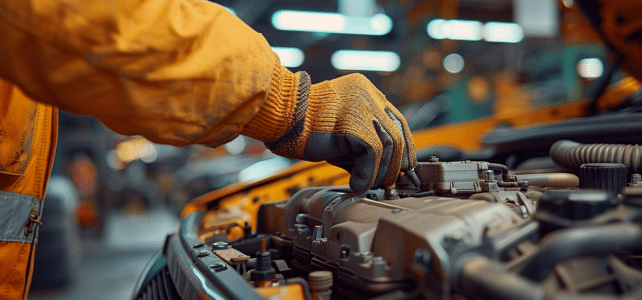
When your car starts to overheat or shows cooling problems, it is essential to react promptly to avoid more severe damage. These malfunctions can be due to various factors, ranging from insufficient coolant levels to a faulty thermostat, as well as leaks or a clogged radiator. Understanding the warning signs and knowing the steps to diagnose and resolve these issues can extend the life of your engine and ensure the safety of your journeys.
Identifying and Diagnosing Cooling Problems
Detecting a cooling problem requires constant vigilance for the signs your vehicle may emit. A temperature gauge that ventures into the red or a check engine light illuminated are clear indicators of potential overheating. Take the time to regularly inspect the level of coolant; a low level may signal a leak or abnormal consumption, while an excess of coolant may indicate overpressure, often a symptom of a faulty radiator cap.
Further reading : How to Choose the Right Food Truck Hood?
The presence of a puddle under the vehicle is a clear sign of coolant leakage. This fluid is essential for the proper functioning of the cooling system: it is transported through hoses, circulates thanks to the water pump, and is cooled by the radiator. A stuck thermostat can also lead to overheating or excessive cooling of the engine, disrupting optimal temperature regulation.
If in doubt, using an OBDII scanner can be crucial for detecting underlying engine issues, including a faulty head gasket, which is responsible for overheating and coolant leaks. The accuracy of this diagnostic tool helps guide necessary repairs and avoid haphazard interventions. Consider each anomaly reported by your vehicle not just as a minor inconvenience, but as a call to action to ensure the longevity of the entire engine.
Read also : How to Find the Cheapest Health Insurance?

Repair and Maintenance Methods for the Cooling System
Once the diagnosis is made, attention turns to the repair and maintenance of the cooling system. In the case of a coolant leak, the first step is to locate its source. The coolant hoses, often victims of wear or mechanical damage, may need replacement. If the water pump is defective, mechanical intervention is necessary to restore proper fluid circulation through the system.
Preventive maintenance of the radiator is essential to prevent overheating. Regular cleaning to remove debris and scale deposits ensures optimal cooling. If the radiator is damaged or clogged, consider replacing it to avoid any hindrance to the system’s efficiency. Periodic checking of the coolant level and adjusting it are simple yet crucial actions for the proper functioning of the engine.
The thermostat, for its part, plays a key role in regulating the engine’s temperature. A stuck or faulty thermostat should be replaced to avoid extreme temperature variations that could cause irreversible damage to the engine. Similarly, a damaged head gasket is a major source of problems and must be addressed with the utmost care to maintain the integrity of the cooling system. Follow these recommendations to ensure the longevity and efficiency of your cooling system.