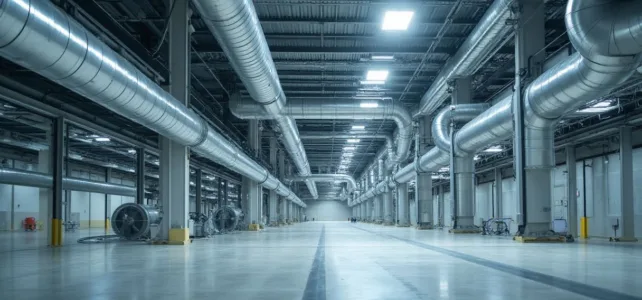
Environmental issues are taking on a significant role in our current society, and every industrial sector is compelled to rethink its practices to make them more ecological. Among these sectors, ventilation is emerging as a key player in the energy transition. The concept of Ventil Eco refers to an innovative and sustainable approach to ventilation, which aims not only to improve indoor air quality but also to reduce the carbon footprint of buildings. This concept encompasses cutting-edge technologies and energy management strategies that could transform the way we consume energy. The need for effective and environmentally friendly ventilation systems has never been more pressing.
Understanding the concept of Ventil Eco
The term Ventil Eco defines an integrated approach to ventilation focused on energy efficiency and sustainability. This innovative method relies on advanced technologies to ensure healthy air while minimizing environmental impact.
You may also like : The best streaming movie platforms for a home cinema experience
The key elements of Ventil Eco include:
- Heat recovery: Ventilation systems recover heat from the expelled air to warm the incoming air.
- High-efficiency filters: To ensure clean air and reduce pollutant particles.
- Smart automation: Real-time performance adjustments based on needs.
These innovations not only lead to substantial energy savings but also contribute to the reduction of greenhouse gas emissions. In a world where resources are limited, optimizing ventilation systems through these modern technologies is an imperative necessity.
Recommended read : Getting a KITAS in Indonesia: Complete Guide for Expats
The environmental benefits of Ventil Eco
Adopting Ventil Eco solutions presents numerous advantages for the environment. By reducing energy consumption, these systems contribute to a more sustainable future.
Reduction of CO2 emissions: Ventil Eco systems significantly decrease CO2 emissions from buildings by harnessing renewable energies and optimizing energy use.
Another major benefit lies in the improvement of energy efficiency of buildings, resulting in lower energy bills and better overall performance. By integrating cutting-edge technologies, these systems ensure optimal control of energy consumption.
The preservation of indoor air quality is also a major asset, as it guarantees a healthy environment for occupants while supporting an ecological approach. The use of advanced filters helps eliminate pollutants and ensures effective ventilation.
The challenges and solutions for implementing Ventil Eco
Although Ventil Eco offers many advantages, its implementation in existing infrastructures poses some challenges. These obstacles must be overcome to maximize the ecological and economic benefits of this technology.
- High initial cost: Advanced Ventil Eco systems require a significant investment, but the long-term savings on energy bills can offset this cost.
- Building adaptation: Adapting existing infrastructures to new technologies may require significant work, but it is essential to leverage the environmental benefits.
- Training and awareness: Training building professionals and raising public awareness about the importance of Ventil Eco is necessary to promote its widespread adoption.
To overcome these challenges, it is crucial to promote research and development of innovative solutions while encouraging incentive policies. By exploring ways to reduce initial costs through grants or financial aid, the transition to more sustainable systems becomes more accessible.
Ventil Eco and the future of sustainable construction
As the world evolves towards more sustainable practices, Ventil Eco stands out as an essential component of green building. Its integration into new real estate projects and the renovation of existing buildings could very well be the keystone of responsible energy management.
Emerging technologies associated with Ventil Eco, such as the use of smart sensors and machine learning algorithms, offer promising prospects for further improving the efficiency of ventilation systems. These innovations could transform the way buildings interact with their environment by optimizing energy consumption.
Moreover, the widespread adoption of Ventil Eco could positively influence the construction sector and encourage the emergence of new environmental standards. In the near future, the integration of these technologies into the building design process could become standard practice. Technological advancements are underway in various sectors, discover more about recent developments.