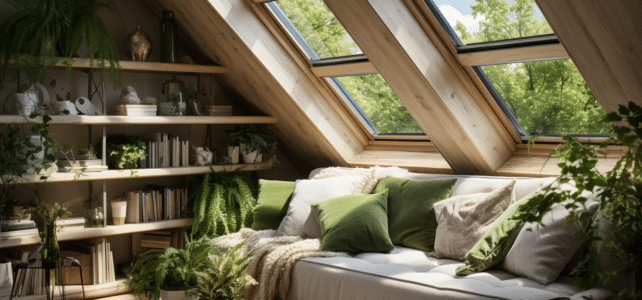
Energy efficiency in a home largely depends on the performance of its insulation, particularly at the level of roof windows, which are often overlooked. These openings, while providing brightness and ventilation, can be real weaknesses in a home’s thermal shield. To counteract heat loss and cold air ingress, choosing the right equipment is fundamental. One must consider the materials, the quality of the glazing, and the sealing devices. For homeowners considering improvement work, identifying the right equipment is essential to enhance the insulation of their roof windows.
Choice and characteristics of equipment for the thermal insulation of roof windows
The thermal insulation of roof windows is realized through various equipment, each meeting specific requirements for thermal comfort and energy savings. Among the preferred materials for roof window frames are PVC, known for its insulating properties, aluminum, valued for its durability, and wood, appreciated for its natural aesthetics and energy performance. VELUX roof windows, for example, incorporate an insulating layer of argon gas, thereby enhancing their ability to limit thermal transfers.
You may also like : How to Choose the Right Food Truck Hood?
In addition to the windows themselves, VELUX roller shutters provide extra protection against climate variations. These shutters not only block sunlight in summer, but they also act as a barrier against the cold in winter, contributing to better indoor temperature regulation. Such devices are essential for maintaining an optimal comfort level within the home while reducing the energy consumption needed for heating or cooling.
For roof windows, glazing is a determining factor. Double or even triple glazing are options to seriously consider for their ability to trap a layer of air or insulating gas between the glass panels. The quality of the glazing directly influences the insulating performance of the window and, consequently, the well-being of the occupants as well as their energy bills.
Recommended read : The World of Streaming: How to Choose the Right Platform for Your Needs
For those looking for an effective and economical solution, the thermal insulating blind for Velux is an option not to be overlooked. This type of blind is designed to fit perfectly with roof windows and create an insulating barrier that reduces heat loss in winter and limits heat gain in summer. The judicious combination of materials, glazing, and additional accessories is the key to optimal thermal insulation of roof windows.
Installation and maintenance: best practices for effective insulation
The effectiveness of the thermal insulation of a roof window is not only ensured by the quality of the chosen equipment; it also depends on the precision of the installation and the rigor of the maintenance. A proper installation is fundamental to guarantee the integrity of the insulation. The installation of secondary glazing or the replacement of sashes must be carried out meticulously to avoid thermal bridges and energy losses. Likewise, the installation of insulating curtains or shutters must be done ensuring that these elements are perfectly suited to the dimensions and specifications of the roof windows.
Periodic maintenance of roof windows is another determining component for maintaining thermal insulation over time. The renovation of seals, for example, is a simple yet effective intervention to preserve insulating performance. Worn or damaged seals can lead to cold air or heat infiltration, thus altering the comfort of the home and increasing the load on heating or cooling systems. Be sure to inspect them regularly and replace them as needed.
For those considering renovation work, know that replacing windows can often be done without requiring a complete change of the existing installation. Targeted actions, such as adding secondary glazing or renewing the sashes, may be sufficient to significantly improve energy efficiency. These works, beyond their positive impact on thermal performance, may also qualify for financial aid dedicated to energy renovation, thus reducing costs for homeowners engaged in improving their habitat.