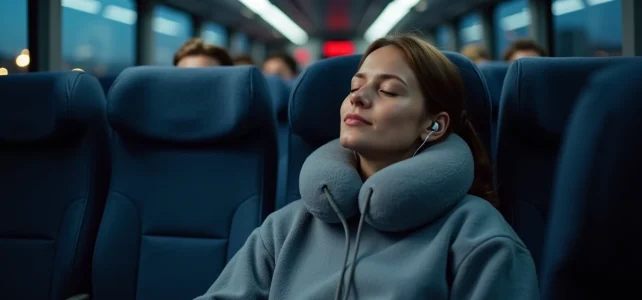
BlaBlaCar long-distance buses operate overnight on several French and European routes. These night journeys, often chosen for their attractive prices or to avoid losing a day of travel, raise a practical question: under what conditions do we actually spend the night on board? The answer depends on parameters that usual guides overlook, starting with the model of the bus assigned to the route.
Variability of BlaBlaCar buses: not all night buses are equal
BlaBlaCar does not own its own fleet. The company outsources the operation of its lines to several carriers, who deploy different bus models. This reality has a direct consequence on nighttime comfort: the space between seats, the recline of the backrest, and the noise level vary from one vehicle to another.
Further reading : Everything You Need to Know About Prices and Menus at Domitys Restaurants for Senior Meals
Travelers report on forums having spotted the name of the operator or the type of bus before boarding, through the photos available during booking. Some newer buses offer a more generous backrest recline and adjustable headrests, while others, older models, severely limit the seat’s recline. The cleanliness of the restrooms, the condition of the air conditioning, and the sound insulation also fluctuate depending on the subcontractor.
An article discussing the comfort and interior of BlaBlaCar night buses details these equipment differences. Keeping the following principle in mind helps calibrate expectations: the comfort of a night journey is determined before boarding, at the moment of checking which operator runs the line.
Further reading : The latest trends and must-know news to make your wedding a success
Standard equipment and real limits for sleeping on the bus
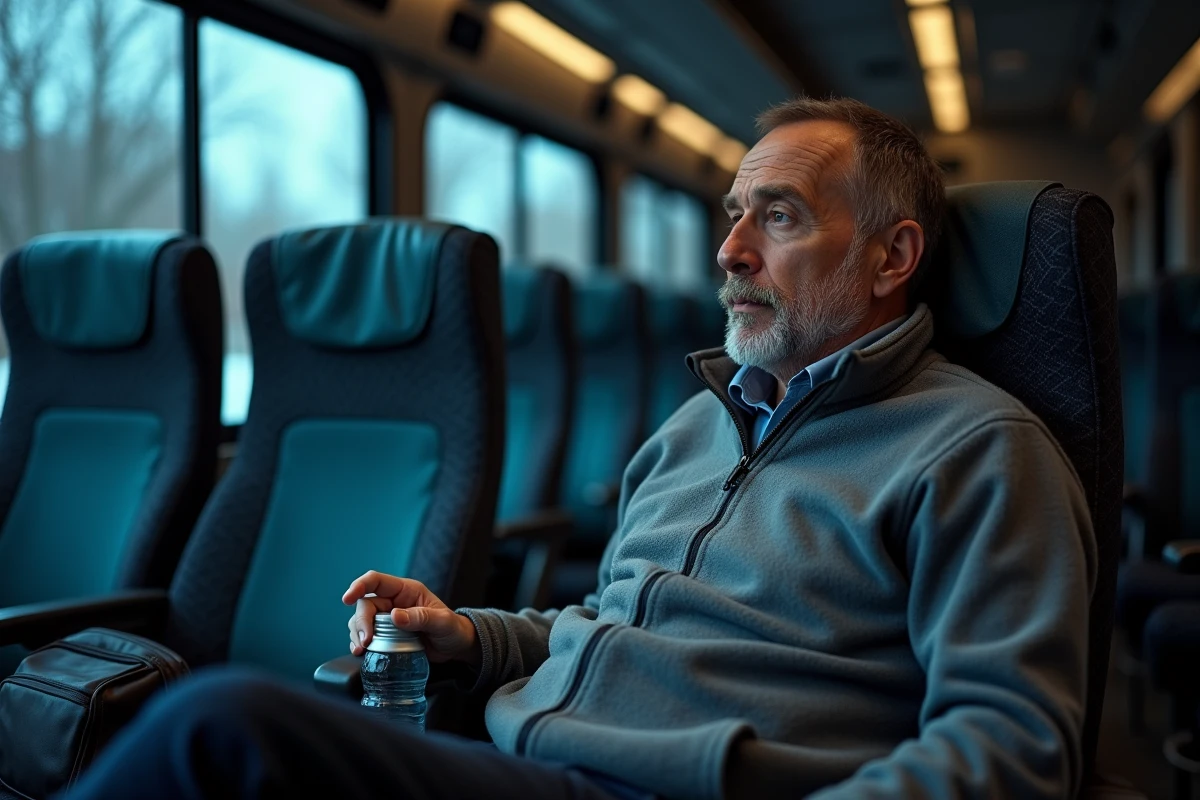
Most buses assigned to BlaBlaCar lines offer a common base: electrical outlets (USB or mains), onboard Wi-Fi, restrooms, and luggage storage. These elements are listed on the official help page of the platform. However, no bus operating in France has sleeping berths. Sleep is negotiated sitting, with seatbelts fastened.
Seat and recline: the determining factor
The recline of the backrest remains the most cited criterion by night travelers. It never exceeds a semi-reclined position, far from horizontal. The choice of seat (window side for support, or aisle side to stretch legs) significantly affects the quality of dozing off.
The bus’s occupancy rate influences comfort as much as the seat itself. On routes with high demand (holiday departures, long weekends), the likelihood of having a neighbor in the adjacent seat increases. Having two seats to oneself, a common situation in low season, becomes rare on the busiest routes.
Field reports vary on this point: some travelers book very early to secure an isolated seat, while others find that the actual occupancy does not always match the displayed forecasts.
Noise, light, and stops: the sleep disruptors
Three elements consistently appear in testimonies of nights on the bus:
- The noise of the engine and vibrations, varying according to the age and model of the bus, which creates a continuous background sound that can sometimes aid sleep, but can also be bothersome at low frequencies
- Interior lighting during technical stops or passenger boarding/alighting, which interrupts even short sleep cycles
- Conversations and sound notifications from other passengers, against which only earplugs or noise-canceling headphones provide effective protection
Controls and rules of behavior on board at night
Several recent testimonies mention a strengthening of security checks on night journeys. Wearing seatbelts is mandatory and checked. Bags must not obstruct the central aisle. Alcohol consumption is prohibited on board.
These rules, applied more strictly than a few years ago according to traveler feedback, frame the nighttime atmosphere. They limit certain nuisances (drunk passengers, obstructive luggage) but also add interactions with staff, especially during boarding checks or at intermediate stops.
BlaBlaCar night buses vs. trains: two comfort logics
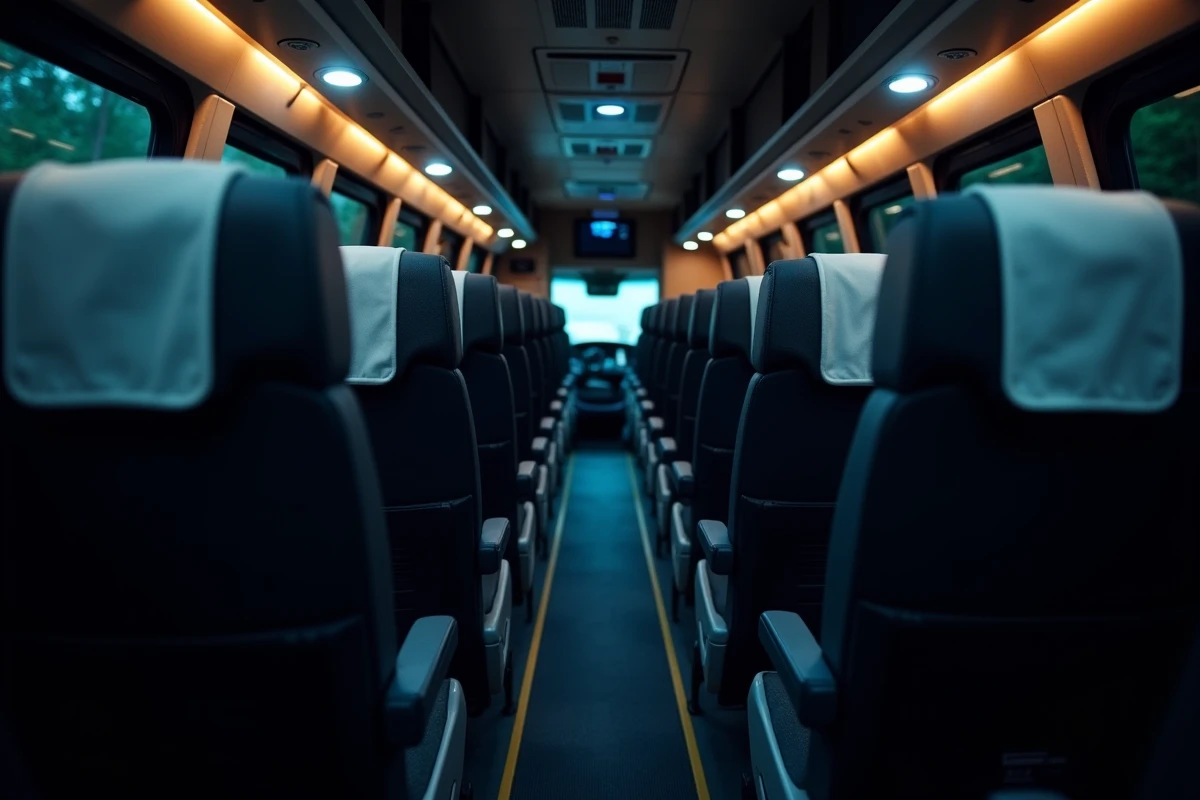
Comparing a night journey on a BlaBlaCar bus to a night train trip amounts to opposing two philosophies. The train, when it offers sleeping berths, allows for a lying position. The bus imposes a sitting position. In return, the price of a night bus remains significantly lower than that of a sleeping berth on a train on most routes.
On routes where the night train does not exist or is fully booked (Paris to certain southern cities, trips to Spain or London), the night bus becomes a default option. The available data does not allow for a conclusion that one mode is systematically superior to the other for sleep: it all depends on individual sensitivity to movement, noise, and position.
What the night bus offers despite discomfort
The main advantage remains the time savings. Departing in the evening and arriving in the morning means not dedicating a day to travel and saving a night of accommodation. For a trip to southern France or a return from vacation, this calculation weighs in the decision.
- Saving a night in a hotel, appreciated on a tight budget
- A fully available departure or arrival day for activities
- Carbon footprint per passenger generally lower than that of a private car, an argument increasingly cited in travel related to festivals or seminars
The night bus works better as a one-time solution than as a travel habit. Travelers who take multiple nights on the bus confirm this: fatigue accumulates quickly when sleep remains fragmented. For a single trip, most feedback describes a bearable night, provided that the minimum has been anticipated (neck pillow, extra layer, earplugs).
The quality of a night on a BlaBlaCar bus ultimately depends on a combination of factors that the traveler only partially controls. The bus model, occupancy rate, and behavior of other passengers largely escape individual control. What remains in the traveler’s hands is material preparation and route choice, two modest levers but which make the difference between a difficult night and a simply short one.