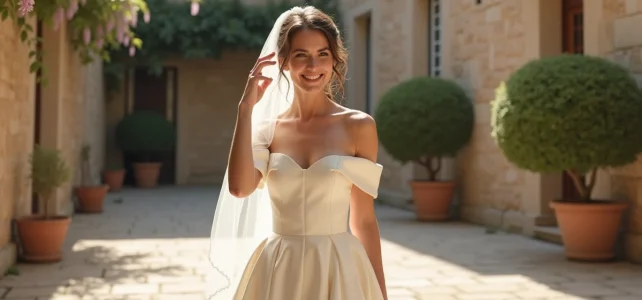
The wedding trends of 2026 mark a clear break from standardized formats. Phone-free ceremonies, saturated color palettes, and fragmented reception formats: couples are restructuring every aspect of their big day around precise technical choices. Here, we decode the key elements that are truly changing the design of a wedding, far from decorative lists.
Wedding and Neurodivergence: Adapting the Reception to Sensory Overload
The rise of unplugged weddings (no phones or screens during the ceremony) meets an aesthetic demand, but it also serves a functional purpose for couples affected by ADHD, autism, or sensory hypersensitivity. Eliminating flashes, ringtones, and notifications significantly reduces visual and auditory noise during key moments.
See also : The Latest Trends and Innovations in Home Fitness Coaching
We recommend going beyond simple “unplugged” signage. The choice of reception venue conditions everything else: a venue with several partitioned spaces allows for the creation of a calm room, accessible at any time, without removing guests from the celebration.
- Opt for indirect and adjustable lighting (warm temperature LED candles, low-intensity string lights) rather than spotlights or strobe light effects.
- Provide a ceremony schedule sent in advance to guests, with precise timings for key moments (speeches, cake cutting, first dance), so everyone can anticipate stimulation peaks.
- Replace the DJ with front-facing speakers with an acoustic setup or a distributed audio system at controlled volume, which lowers the decibel threshold without sacrificing ambiance.
This type of adaptation is not limited to neurodivergent couples. A reception designed to minimize sensory overload benefits all guests, especially children and the elderly.
See also : The latest business trends and innovations to watch for starting a business in Rennes
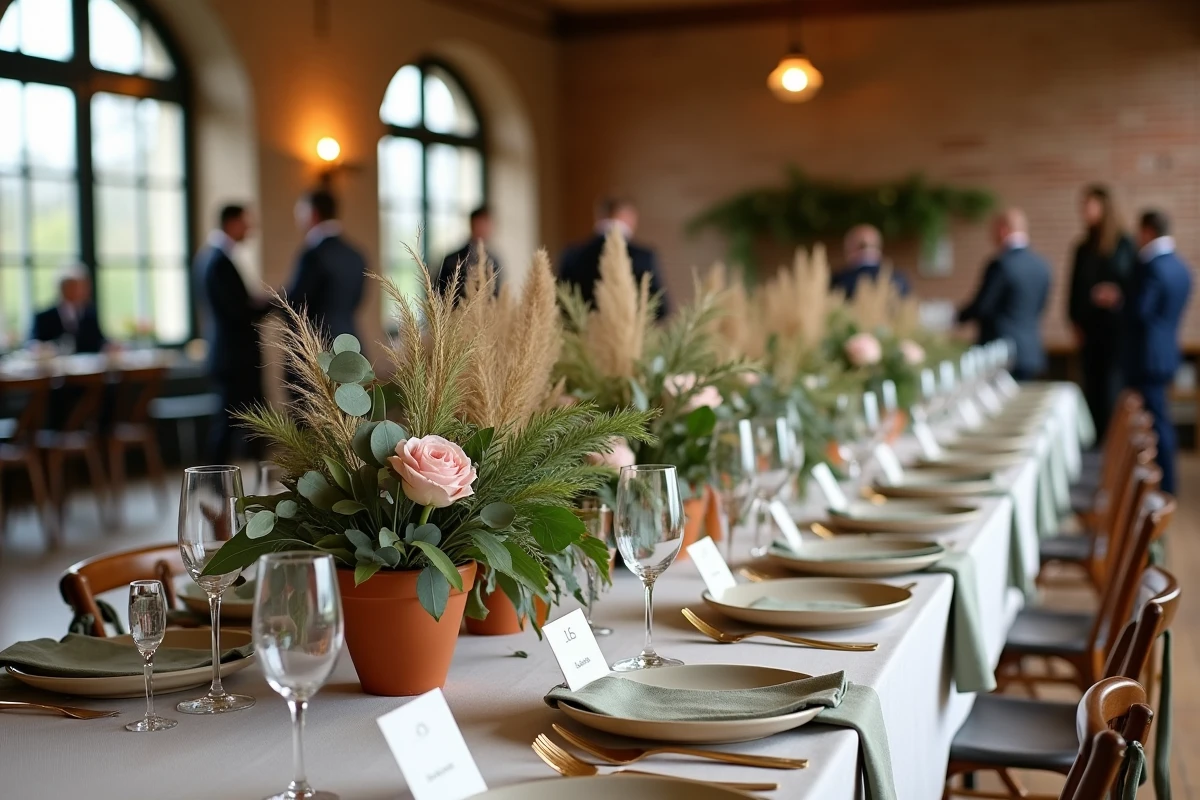
Wedding Decoration Trends 2026: Drapes, Chromes, and Bold Colors
Pastel palettes are fading. Couples planning their weddings in 2026 are leaning towards saturated shades (cobalt, deep terracotta, forest green) combined with reflective materials. To find all wedding information on Actu Mariage, chrome accents (metal arches, gold cutlery, mirror vases) serve as focal points in the staging.
Draping is making a strong comeback, but with an architectural approach. We’re talking about stretched fabrics between load-bearing structures, not randomly placed sheers. Thick linen and waxed cotton replace tulle, providing volume without excessive transparency.
Black and white return as a graphic combination on invitations, table signage, and ceremony arches. This trend requires precise work on contrasts: a decoration provider who masters the light/dark ratio will avoid a stark effect.
Wedding Budget and Trade-offs 2026: Where to Focus Spending
The budget structure of a wedding is shifting. The catering line item remains the heaviest, but couples are reallocating an increasing share towards experience rather than guest volume. Reducing the guest list to enhance quality per person is becoming an accepted trade-off.
Mobile bars (live-prepared cocktails, mixology stations) are gaining ground against traditional wine receptions. This format generates a higher unit cost, but it replaces several items at once: entertainment, drinks, and staging.
Another rising expense is short video capture. Long wedding films are giving way to edits of a few minutes, designed to be shared. A well-paced three to five-minute edit replaces the hour-long film that no one watches.
Areas Where Couples Save
Paper invitations are losing ground to interactive digital invites (integrated RSVP, dynamic access maps). Stationery remains present on the big day (menus, place cards), but postal sending is decreasing.
Classic cars, once seen as a must-have, are disappearing from many budgets in favor of group transportation for guests, which is more practical and cost-effective.
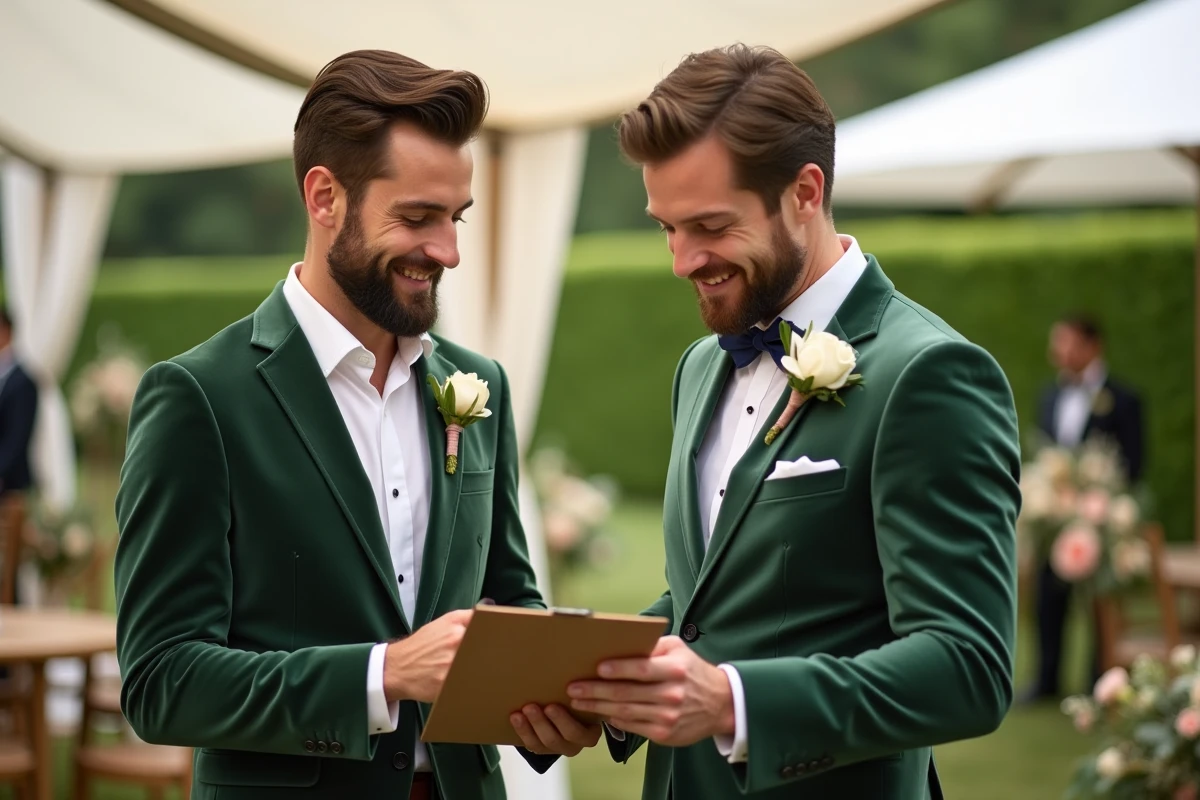
Civil Ceremony and Event Flow Organization: Structuring Choices
The civil ceremony is establishing itself as the dominant format for couples who wish to personalize their vows. The role of the civil officiant is professionalizing: an experienced officiant structures the flow into sequences of five to seven minutes to maintain guests’ attention.
The placement of witnesses is evolving. Instead of a symmetrical alignment on either side of the altar, some couples integrate witnesses into the audience and have them speak from their seats, breaking the frontal dynamic and creating a more intimate effect.
The musical choice for the ceremony deserves technical consideration. An amplified string quartet covers an outdoor space better than a Bluetooth speaker, while providing consistent sound quality for the front and back rows.
Sequencing and Timing
We observe that ceremonies exceeding forty-five minutes lose the audience’s attention. A maximum of three speeches from loved ones, an exchange of vows, and a symbolic ritual are enough to fill this time slot without downtime. Each speaker should have a written brief with a target duration.
The cocktail that immediately follows the ceremony benefits from being served in an adjacent space, without transport. This logistical detail reduces the idle time that tires guests and dilutes the emotion.
The wedding trends of 2026 can be summed up by an operational principle: every expense item and every minute of the flow must serve the real experience of those present. A well-designed wedding in 2026 is an event where the technique (sound, lighting, logistics, timing) serves the comfort of all, not a staging for social media.