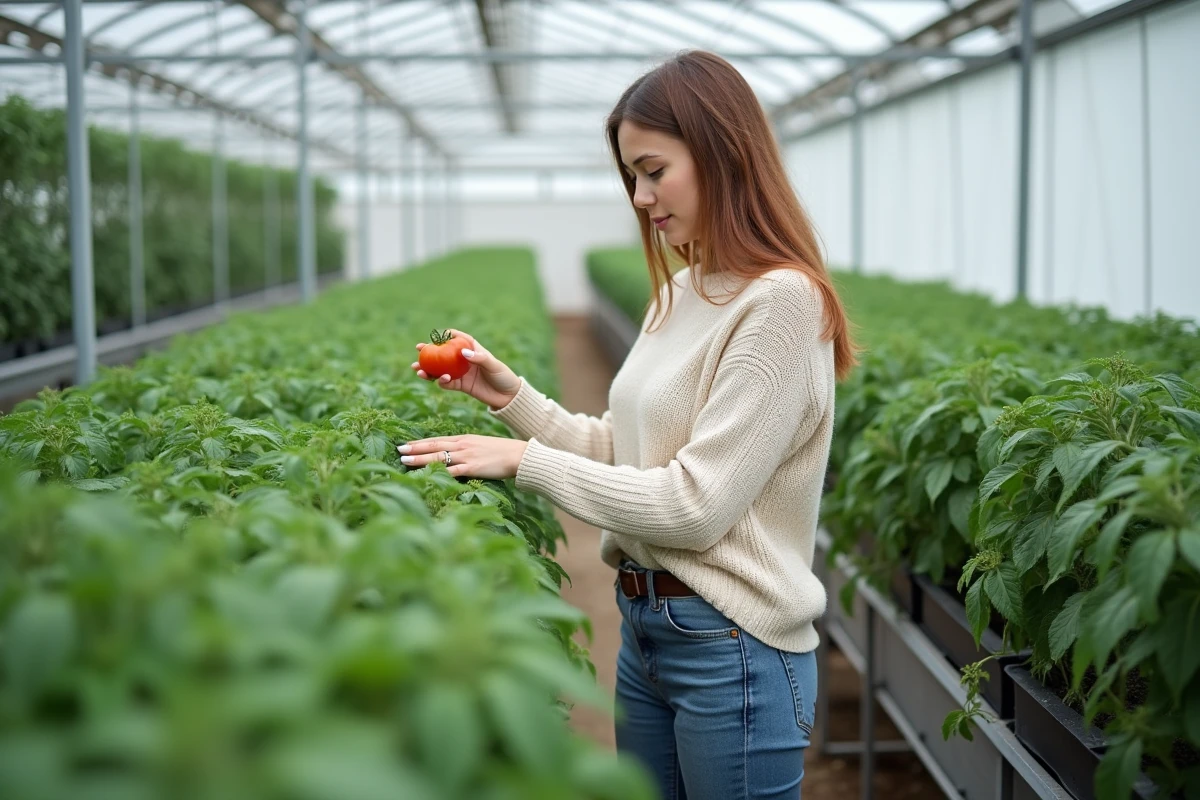
The massive adoption of LEDs in horticultural cultivation is disrupting the benchmarks established by decades of neon and sodium lighting. Growth cycles no longer respond to the same energy constraints or limits of light spectrum. Some species, long considered difficult to cultivate in soilless conditions, are now revealing unexpected potential under these new light sources.
Horticultural LEDs, initially reserved for research laboratories, are now accessible at all levels of production. Their impact on electricity consumption and thermal management is prompting a complete reevaluation of traditional practices.
What is horticultural LED lighting really for your plants?
Whether your plants thrive in a greenhouse or indoors, light is never just a detail. It remains the keystone of photosynthesis, the engine of plant growth. Horticultural LEDs allow for much more than just supplementary lighting: they provide a full light spectrum, precisely adjusted for each phase of the plant’s life, from germination to flowering. The result: the specific needs of each species finally find a reliable technical response, without compromise or uncertain makeshift solutions.
Another advantage: light intensity and duration become controllable variables. Thanks to a timer and settings available on most recent models, the alternation of day and night can be programmed to the quarter-hour. The light spectrum also adapts according to the growth phase: rooting, foliage, flowering… Each stage benefits from tailored lighting. Leaf burns are a thing of the past, heat is kept in check, and excessive evaporation is no longer a given.
A horticultural LED lighting for growth radically transforms energy management. The savings achieved are no longer just a commercial argument: up to 80% reduction on the electricity bill compared to older devices. The lifespan approaches 50,000 hours of use. Measurement tools like PPFD make it possible to precisely adjust the light received by each plant. To maximize efficiency, equip yourself with a reflector and adapt the configuration to the available space, whether it’s a corner of an apartment or a complete greenhouse.
Here’s what horticultural LED lamps concretely offer you:
- Full light spectrum: each growth stage benefits from calibrated light.
- Precise control: duration, intensity, and day/night cycles become adjustable parameters at will.
- Energy efficiency: reduced consumption, extended lifespan.
- Versatility: they fit into all spaces, from small corners to large indoor installations.
An overview of the different types of horticultural lamps and their uses
The market for horticultural lamps offers plenty of options, but not all are created equal. Halogen, incandescent, and fluorescent lamps still linger in some setups, but they lag far behind in terms of performance, spectrum, and energy efficiency. LEDs have taken over, driven by their ability to offer a full spectrum and unmatched adaptability for indoor cultivation.
Horticultural LED lamps come in modular panels, adjustable bars, or targeted spots. Each configuration responds to a cultivation logic: panel for a greenhouse or an indoor vegetable bed, bar for row seedlings or shelves, spot for an isolated plant or a less well-lit area. Current models often integrate timers, silent cooling systems, and dimmers. This precise control ensures that each species, from basil to tomato, from fern to cactus, receives exactly what it needs.
Here’s how to distinguish the main types of horticultural LEDs and their uses:
- LED panels: effectively cover large spaces or home greenhouses.
- LED bars: perfect for line crops, seedlings, or stacked shelves.
- LED spots: ideal for targeting a single plant or illuminating a less well-lit corner.
Compatibility with timers and dimmers adds valuable flexibility. Horticultural LEDs accompany the entire life of the plant: germination, growth, flowering. Their spectrum adapts to each stage, limiting light stress and maximizing photosynthesis. To avoid wasting energy and ensure optimal development, adjust the power to the area covered and the density of your foliage.
Our practical tips for choosing and installing your lighting according to your plants’ needs
Before diving into installation, clearly identify the needs of each plant and the phase of the cycle it is in. Whether you are growing leafy vegetables, herbs, cacti, or orchids, each species has its favorite light spectrum and suitable intensity. Blue light supports germination and foliage development, while red light accelerates flowering. For tomato or pepper seedlings, aim for a powerful LED. Ferns, on the other hand, prefer a softer, diffused light.
To adjust your setup, keep these points in mind:
- Modify the lighting duration according to the phase: 14 to 16 hours to stimulate growth, 10 to 12 hours for flowering. A timer will simplify your life and ensure a stable cycle.
- Monitor the distance between the lamps and the tops of the plants: too close risks burning; too far reduces efficiency. Generally, 20 to 40 cm is sufficient for most species.
- Check the PPFD, this photon flux crucial for photosynthesis. A simple portable spectrometer allows for reliable and quick monitoring.
Don’t forget to pair your lighting setup with quality substrate and thoughtful watering. A tracking calendar will help you note germination, watering, and light adjustments. Observe your plants closely: pale leaves, leggy stems, or lack of flowers are all warning signals. With well-adjusted LED lighting, growth accelerates, yields improve, and energy consumption remains under control. The indoor garden is being reinvented, and each plant finally has its own light partition.